
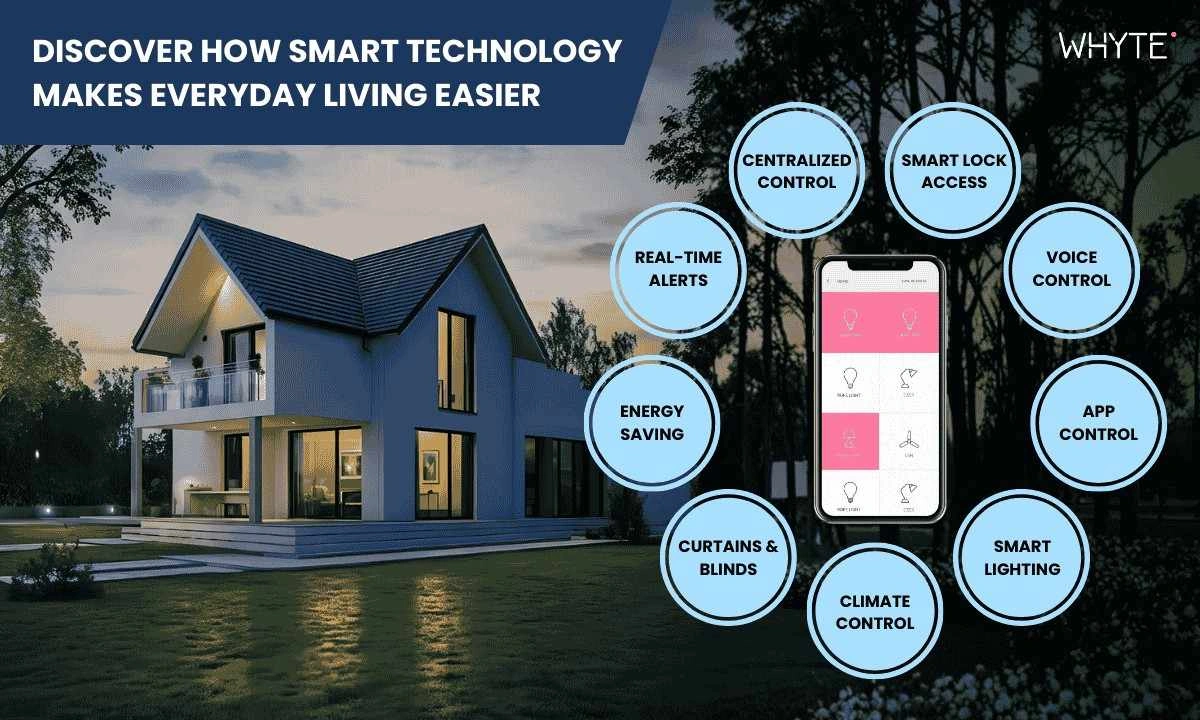
Technology is changing the way we live, and homes are no exception. From controlling lights with a single tap to checking home security from your mobile phone, smart homes are becoming part of everyday life. But what exactly is a smart home, and why are more people choosing to upgrade their homes with smart technology?
In this blog, we will explain what a smart home is, how it works, and why turning your home into a smart home can make your daily life easier, safer, and more comfortable.
What Is a Smart Home?
A smart home is a home where electrical devices and systems can be controlled automatically or remotely using a smartphone, tablet, or voice assistant. These devices are connected through the internet and work together to improve comfort, convenience, and efficiency.
Smart home systems allow you to manage things like lighting, fans, curtains, air conditioners, and security systems from one place. Instead of manually operating each device, you can control everything using an app or set up automation to work on its own.
In simple words, a smart home gives you better control over your home with less effort.
How Does a Smart Home Work?
Smart homes work using connected devices and a central control system. These devices communicate with each other through WiFi or a home automation hub.
Here is how it works:
- Smart devices are installed in your home
- Devices connect to your home network
- You control them using a mobile app or voice commands
- Automation rules perform tasks automatically
For example, you can set your lights to turn off automatically when you leave home or open your curtains every morning at a fixed time.
Common Smart Home Devices You Can Use
Whyte offers a range of smart home devices to transform your home into a modern, connected living space. These devices are designed for easy control and automation, giving you more convenience and comfort.
1. Tactus Touch Switch Series
Smart touch switches that replace regular light/fan switches. These come with sleek panels and allow you to control lighting and appliances through an app, touch panel or voice activation — eliminating the need for traditional switches.
2. Regno Smart Home System
Regno a complete home automation system that acts as the central brain. You can operate multiple devices like lights, AC, fans, and more from one place — either through a touchscreen panel or your smartphone.
3. FireDome Universal Controller
Fire Dome device lets you control all remote-controlled appliances such as air conditioners, TV, set-top box or music systems using a single interface via the app or automation system.
4. Sensor & Security Devices
Motion and environmental sensors help monitor your home’s condition. This device can trigger alerts or automate lighting and security responses, adding an extra layer of safety.
5. Smart Doorbell System
Smart doorbell Adds convenience and security by letting you see and interact with visitors at your door using a video doorbell interface, connected to your smart home network.
6. Automated Curtains and Blinds
Motors and controllers that open or close curtains and blinds automatically. You can schedule them or control them through your phone or home automation system.
7. Smart Glass Integration
Convert ordinary glass into smart glass that can switch between clear and frosted states with a click — adding privacy and modern functionality.
8. Smart Lock Integrations
Replace traditional locking with smart lock access options such as phone control, passcodes, keycards, or even fingerprints, all managed through your smart home system.
9. Voice Assistant Integration
Works with Amazon Alexa and similar assistants so you can control lights, fans, curtains, and more using simple voice commands.
You can start with one or two devices and gradually upgrade your home into a complete smart home system.
Simple and Practical Smart Home Ideas for Everyday Living
Smart home automation can be used in many practical ways to improve daily life. These ideas focus on comfort, energy saving, and ease of use.
Some easy smart home ideas include:
- Automating lights to turn off when not in use
- Setting curtains to open and close based on time or sunlight
- Controlling fans and appliances from your mobile phone
- Creating a night mode to switch off all devices with one tap
- Using motion sensors to control lighting in common areas
- Setting up security alerts for doors and movement
These smart home ideas help reduce effort, save energy, and make your home more organised and comfortable.
Why Should You Turn Your Home into a Smart Home?
Smart homes are not just about technology. They are about making life simpler and more organised. Below are some key reasons why upgrading to a smart home is a good idea.
1. Convenience in Everyday Life
One of the biggest advantages of a smart home is convenience. You can control multiple devices with just one tap on your phone or a voice command.
Imagine turning off all lights, fans, and appliances before going to bed without walking around the house. Smart homes save time and reduce daily effort.
2. Better Energy Management
Smart home systems help you use electricity more efficiently. Devices can be scheduled or automated to work only when needed.
Benefits include:
- Lights turn off automatically when not in use
- Appliances run at fixed times
- Reduced electricity wastage
- Lower power bills
This makes smart homes both cost-effective and environmentally friendly.
3. Improved Home Security
Smart home security systems offer better control and peace of mind. You can monitor your home even when you are away.
Security features may include:
- Smart door locks
- Motion detection alerts
- Security cameras with live access
- Instant notifications on your phone
These features help you stay informed and protect your home at all times.
4. Comfort and Personalised Living
Smart homes allow you to customise your living environment based on your preferences.
For example:
- Set the lighting mood for relaxation
- Automate curtains based on sunlight
- Adjust room temperature automatically
- Create routines for morning and night
Everything works according to your lifestyle, making your home more comfortable.
5. Easy Control from Anywhere
With a smart home, you can control your devices from anywhere using the internet. Whether you are at work or travelling, your home is always within reach.
You can:
- Switch devices on or off remotely
- Check security camera feeds
- Monitor energy usage
- Receive alerts in real time
This level of control gives you confidence and flexibility.
Is a Smart Home Difficult to Use?
Many people think smart homes are complicated, but in reality, they are designed to be user-friendly. Most systems are easy to install and simple to operate using mobile apps.
Smart home interfaces are clear and easy to understand. Once set up, automation reduces the need for manual control, making daily usage effortless even for non-technical users.
Can You Upgrade an Existing Home into a Smart Home?
Yes, you do not need a new house to create a smart home. Smart devices can be added to existing homes without major changes.
You can:
- Replace regular switches with smart touch switches
- Add smart plugs to existing appliances
- Install automated curtains
- Upgrade security systems step by step
This makes smart home automation flexible and affordable.
How Can You Turn Your Home into a Smart Home?
Turning your home into a smart home does not require major changes or high technical knowledge. You can start small and upgrade step by step based on your comfort and needs.
Begin by identifying areas you use the most, such as lighting, fans, or security. Replace traditional switches with smart touch switches and connect them to a mobile app. You can then add smart plugs, automated curtains, or smart locks to increase control and convenience.
Most smart home devices work with WiFi and are easy to install. Once connected, you can create schedules and automation, such as turning lights off automatically or opening curtains in the morning. Over time, you can expand your system into a complete smart home setup.
Things to Consider Before Switching to a Smart Home
Before turning your home into a smart home, consider the following:
- Choose reliable and compatible devices
- Ensure a stable internet connection
- Start with essential automation needs
- Select systems that are easy to expand in the future
Planning helps you get the best results from smart home automation.
A smart home is not just a modern trend; it is a smarter way of living. It offers convenience, security, energy savings, and better control over your home. With easy-to-use technology and flexible options, turning your home into a smart home is now simpler than ever.
Whether you start small or go for complete automation, smart homes help you enjoy a more comfortable, efficient, and connected lifestyle. Investing in smart home automation today means creating a future-ready home that works for you every day.
FAQs
1. What is a smart home?
A smart home is a house where devices like lights, fans, curtains, and security systems can be controlled automatically or remotely using a mobile app or voice commands.
2. How does smart home automation work?
Smart home automation works through connected devices and the internet. These devices communicate with each other and can be controlled using a smartphone, tablet, or voice assistant.
3. Why should I turn my home into a smart home?
Turning your home into a smart home improves comfort, security, and energy efficiency. It also makes daily tasks easier and gives you better control over your home.
4. Are smart home devices easy to use?
Yes, most smart home devices are designed to be user-friendly. They can be controlled using simple mobile apps and do not require technical knowledge for daily use.
5. Can I upgrade my existing home into a smart home?
Yes, you can convert your existing home into a smart home by installing smart switches, smart plugs, automated curtains, and smart security devices without major changes.
6. Do smart homes help in saving electricity?
Yes, smart home systems help reduce energy wastage by automating lights and appliances, which can lower electricity consumption and bills.
7. What are the most common smart home devices?
Common smart home devices include smart touch switches, smart lighting systems, automated curtains, smart locks, sensors, and security cameras.
8. Can I control my smart home from anywhere?
Yes, smart home systems allow you to control devices remotely using the internet through your smartphone.
9. Where are smart homes commonly used?
Smart homes are used in houses, apartments, villas, offices, and commercial spaces. They are commonly used for smart lighting, automated curtains, smart locks, security monitoring, and remote control of appliances.